
art director

michelle Juru

Biography & Awards

a multidisciplinary Practice spanning photography, brand systems, and cultural strategy. working at the intersection of visual narrative, identity, and refined storytelling.

Michelle Juru is a photographer and cultural strategist exploring narrative authority and identity within contemporary African visual culture. Her work bridges refined aesthetic direction with research-informed inquiry, positioning image-making as both creative and strategic practice.

She is the founder of The Remnant Studios, The Remnant Media and Publishing as well as the creator of Reclaiming the African Gaze, a project examining post-colonial representation through contemporary photography.

2015

Academic ACHIEVEMENT zimbabwe institute of vigital arts school

Diploma in Graphic Design and top 3 graduates with 85%

2022

African Photography Exhibition titled “Unearthed”

Photography work exhibited and commissioned

2023

Flickr x Black Women Photographers Grant

Grant Finalist

2025

Best in Program and archived in UEsearch, the University of Europe for Applied Sciences platform showcasing outstanding graduate projects.

Final Thesis Project “Reclaiming the African Gaze”

2026

CAMERA WORK Lab exhibition from 28 march to june 2026

“Reclaiming the African Gaze” photo series presented and commissioned

Collection

A curated body of work spanning visual narrative, strategic direction, and cultural inquiry.

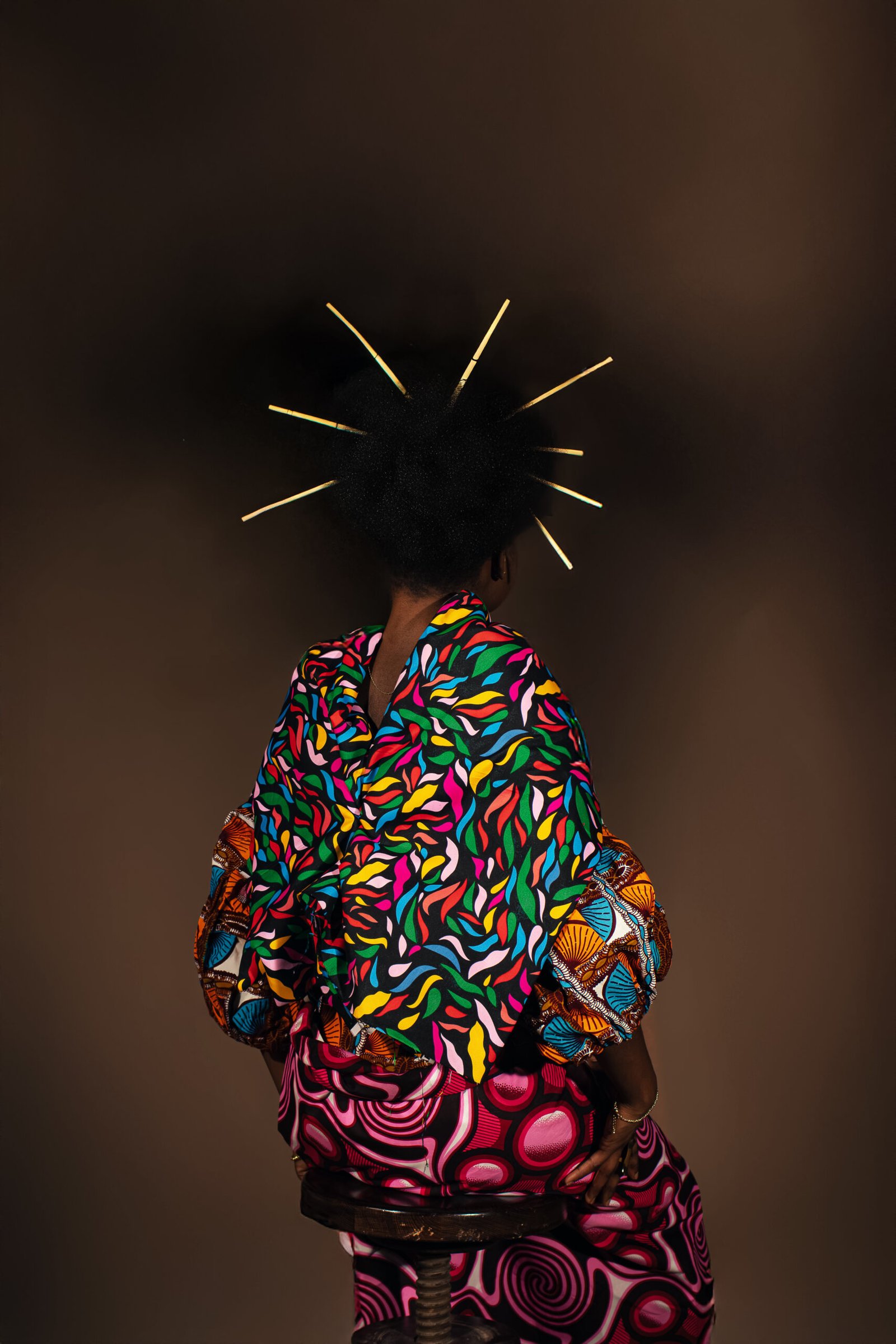
Away

This work draws from Ghanaian, Zimbabwean, and Nigerian cultural influences. The subject turns away from the viewer, creating a silent but powerful gesture. The image invites the audience to question where they will look next for the African gaze, and how African cultures are represented and understood beyond external perspectives.
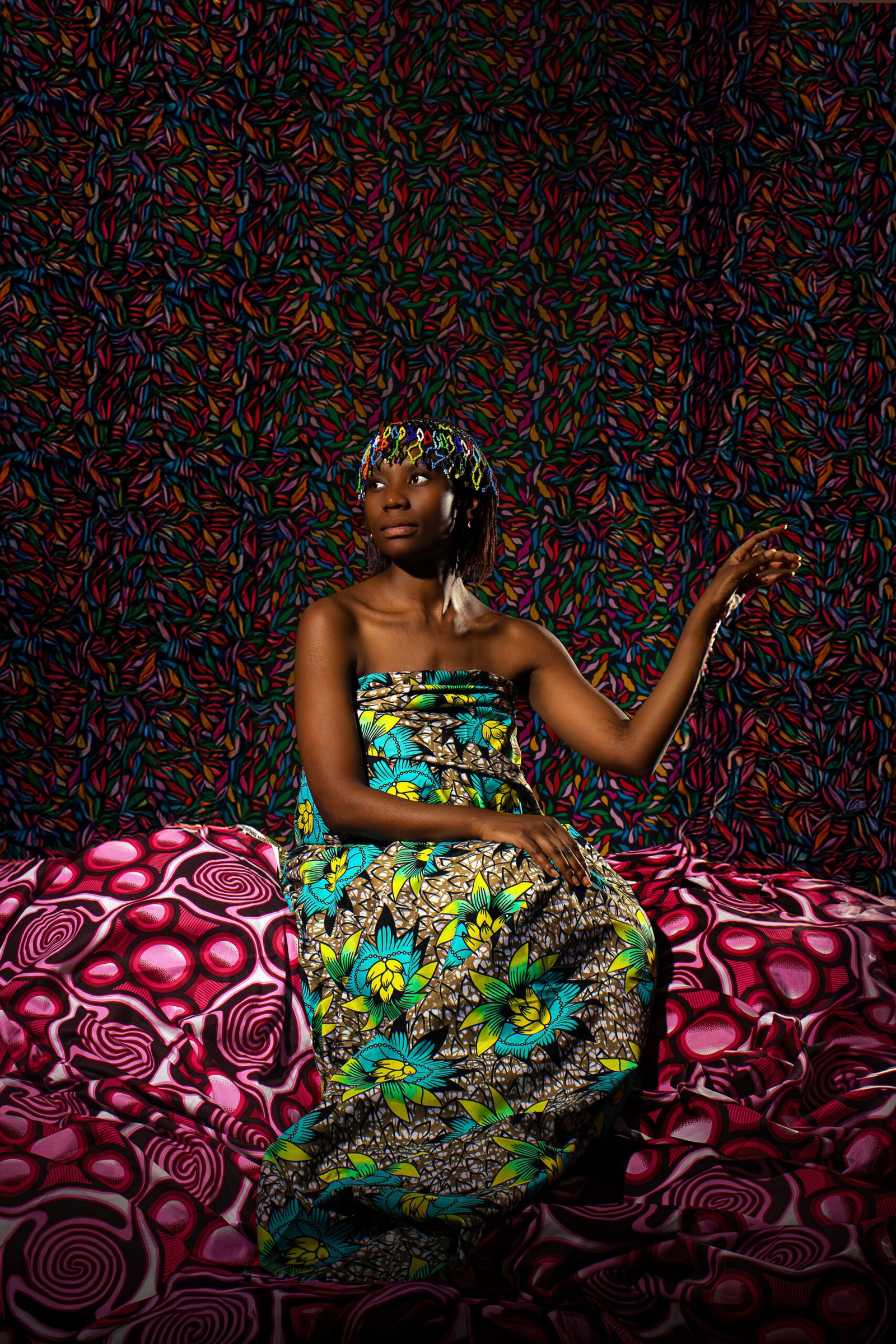
Basotho

Basotho explores a cultural fusion of South African, Nigerian, and Zimbabwean identities, reflecting the interconnectedness of African cultures across regions. The work highlights the blending of traditions and visual symbols, presenting African identity as dynamic, layered, and evolving rather than fixed within colonial narratives.
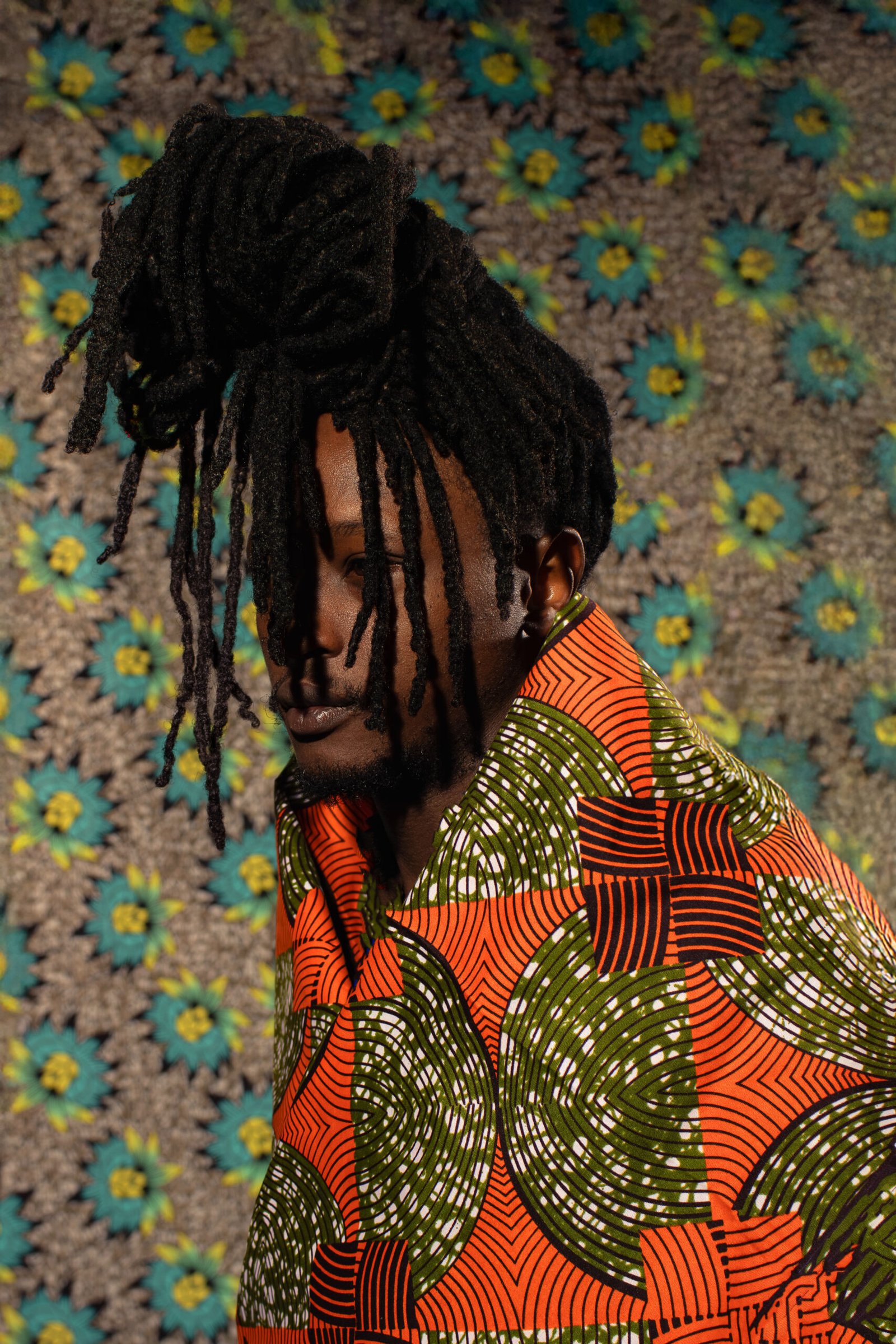
Kakuyu

The material is so rich in tapestry and texture, it almost bursts from the frame, carving a silhouette of the subject as though we’ve been transported to the heart of Kenya—to the land of the Kikuyu people. It feels as if we’re being invited to sit and learn their ways, their rhythms, their legacy…